Installing security cameras is often the first step a business takes to protect its people and property. Cameras give you a clear view of what happened, but they cannot decide who gets through a locked door, confirm what set off an alarm, greet a visitor, or warn you when a server room gets too hot.
Real protection needs more than video. It needs control over who enters, early warning of threats, and quick action when something goes wrong. That gets much easier when your tools share information instead of working on their own. This is the idea behind integrated security systems, and it reshapes how you plan business security systems around your people, property, and daily operations.
What Integrated Security Systems Bring Together
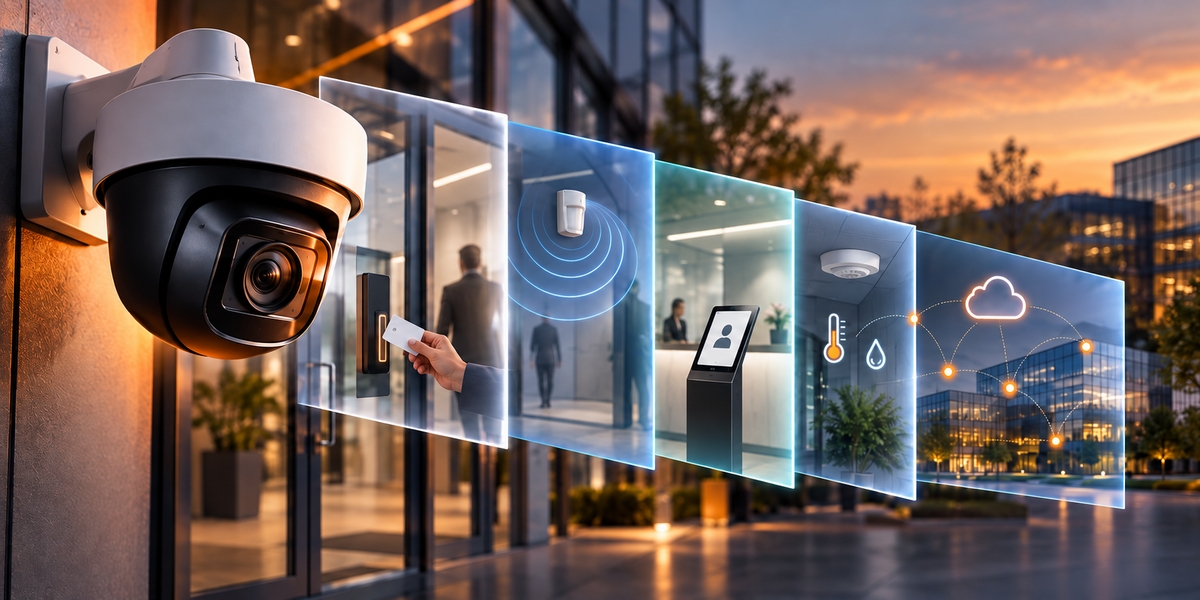
Integrated security systems connect several physical security tools so their events and data live in one place. Instead of separate apps, logins, and vendors, you get a single view of your facility.
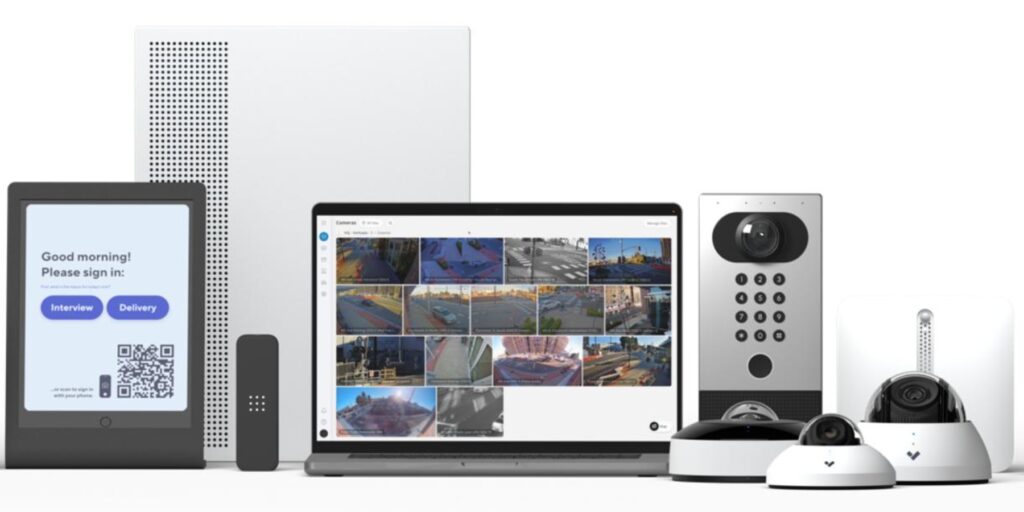
A connected setup can include video surveillance, access control, intrusion alarms, visitor management systems, environmental sensors, and facility analytics. The point is not owning all of these. The point is getting them to work together.
When they do, a door entry links to its video clip. An alarm arrives with a live picture of the cause. A visitor’s arrival ties to the exact doors they may use. That shared context is what separates integrated physical security from a pile of disconnected gear.
How Access Control and Cameras Work Better Together
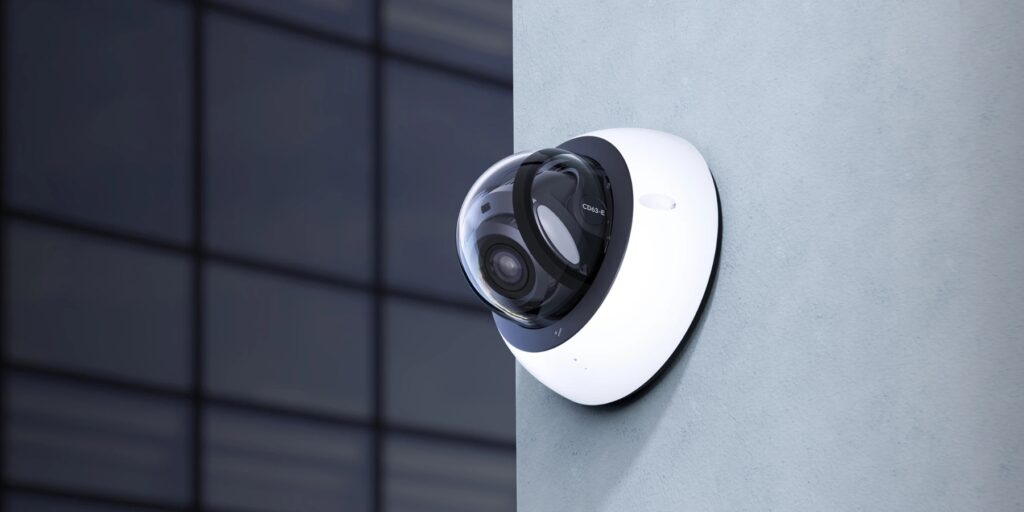
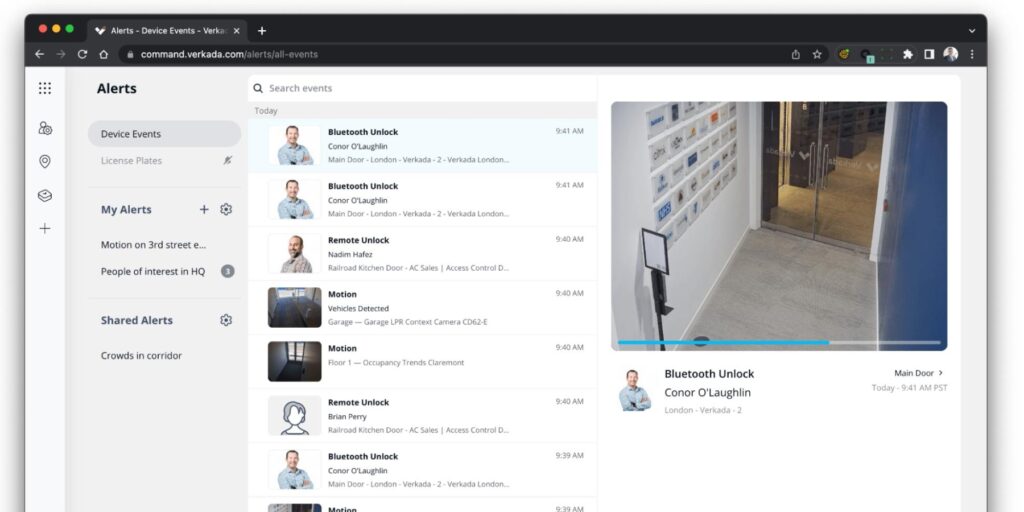
Access control tells you a credential was used at a door. It does not tell you who used it. A badge can be lost, shared, or stolen, and the log looks the same either way. Pairing access control and cameras closes that gap by matching each entry to video of the person who actually walked in.
This weak point is well known. Verizon’s 2026 Data Breach Investigations Report found that credential abuse was behind 13% of the breaches it studied, keeping it among the most common ways intruders get in. The same idea applies at a physical door. A swipe or PIN proves a credential was used. Only video proves who used it.
With both systems joined, you can verify entries by sight, review unauthorized access, catch tailgating, and manage doors and cameras in one place. You stop lining up timestamps by hand, and accountability improves.
From Alarm Signal to Verified Incident
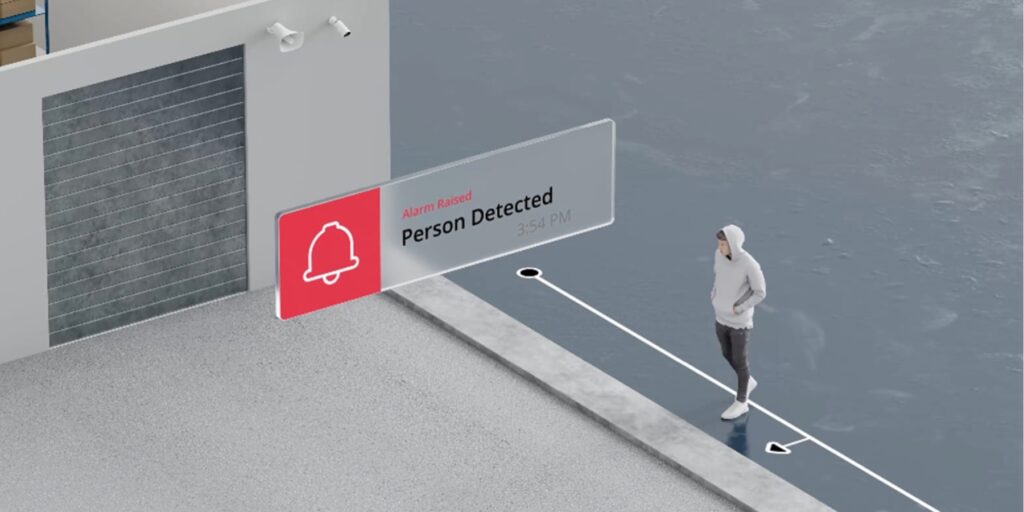
A traditional alarm tells you a sensor tripped. It rarely tells you why. That missing context is how false alarms waste time and real events get ignored.
When alarms and cameras work as one, you or your monitoring team can view the video tied to the trigger and judge what is happening. Is it a break-in, an employee coming in late, an animal, or a faulty sensor? Video verification helps you make a better call, give responders clear details, and cut the guesswork when speed matters. An alert is far more useful when it arrives with a picture of the cause.
Bringing Visitors Into the Picture
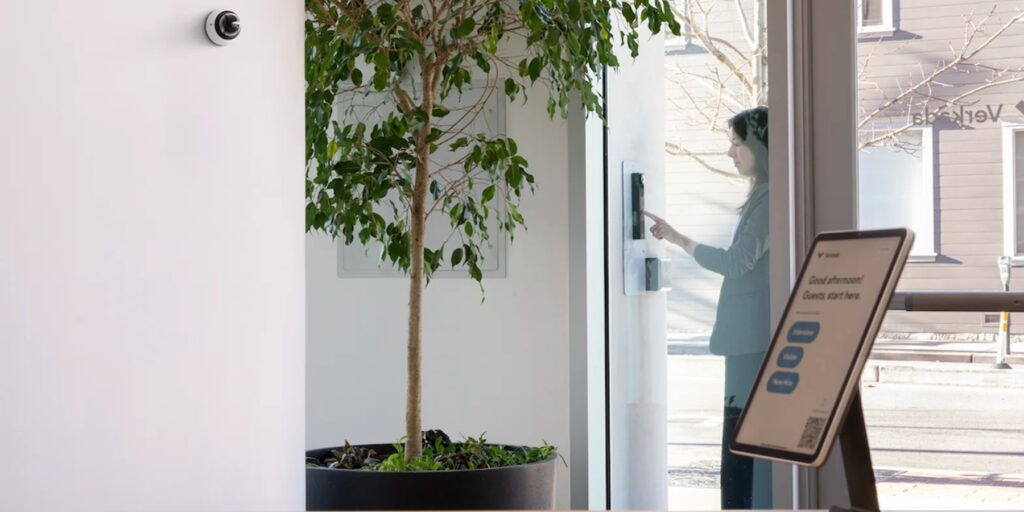
Visitor management often gets treated as a front-desk task rather than part of security. It deserves a bigger role. A connected visitor process can record who enters, tell an employee when their guest arrives, handle check-in steps, and issue temporary access that expires. It can also store visitor histories and share safety instructions.
Tie that process to access control and video, and you get a clear record of who came in, when, where they could go, and what happened during the visit. During an emergency or evacuation, knowing exactly who is in the building is far more than a convenience.
Monitoring the Conditions Cameras Cannot See
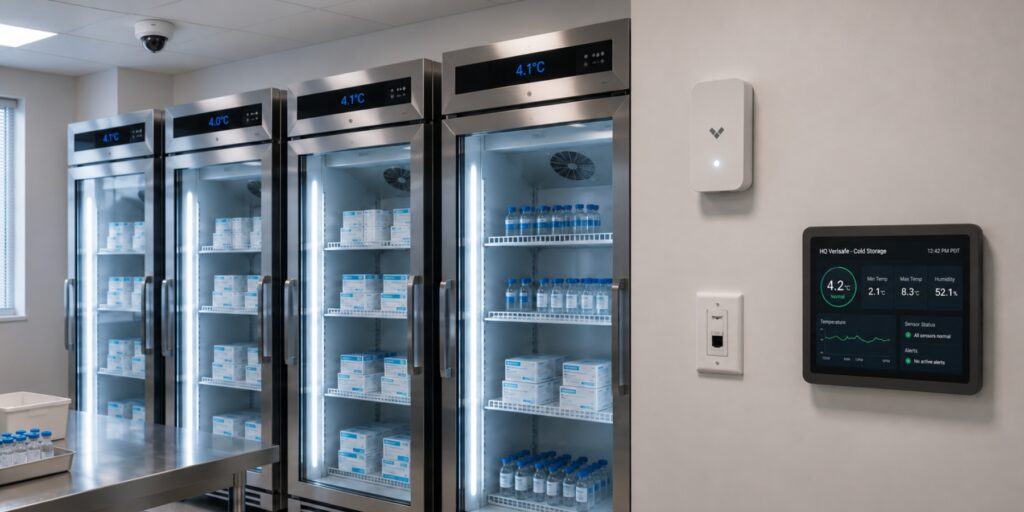
Physical security is not only about theft or break-ins. Everyday conditions can damage equipment, ruin inventory, and put people at risk. Environmental monitoring systems watch for changes a camera will never catch: temperature swings, humidity, water leaks, poor air quality, and unusual noise or motion.
This matters most in server rooms, warehouses, pharmacies, healthcare spaces, and food storage areas. Uptime Institute’s 2026 Annual Outage Analysis found that 57% of operators said their most recent major outage cost more than 100,000 dollars, and one in five put the cost above 1 million dollars. Many of those failures start with conditions like heat or power trouble that an early alert can flag. When a sensor ties into your cameras and notifications, your team can check the spot right away and act before a small issue becomes a large loss.
Why Integration Speeds Up Investigations
In a disconnected setup, looking into one incident becomes a slow hunt. Someone has to pin down the time, search a separate camera app, pull access records, check alarm logs, and build a timeline by hand. Hours pass before anyone understands what happened.
Integrated security systems bring those pieces together. You move from an alert to the matching video and event data in minutes. That speeds up evidence collection, sharpens timelines, and makes reporting and law-enforcement communication easier. The real gain is not tidy software. It is shrinking the time between detection, understanding, and action.
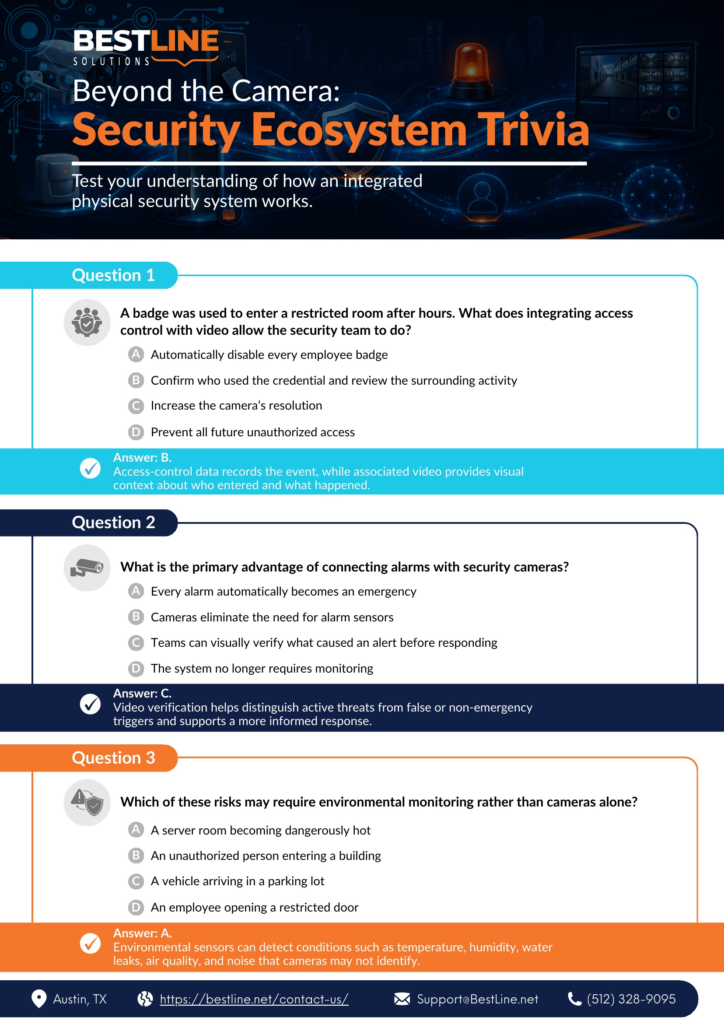
Click below to take the full test…
Keeping Security Consistent Across Locations
Businesses with several offices, stores, warehouses, or campuses often end up with a patchwork. Different sites use different cameras, access platforms, and alarm providers, each with its own rules and contracts. That makes commercial security systems hard to manage and easy to get wrong.
A unified security platform fixes the patchwork. You get central visibility, consistent access rules, standard alerts, simpler user management, and remote control of every site. For a lean IT or operations team covering many buildings, that consistency saves time and closes gaps.
Keep one caution in mind. Connecting systems does not make them smarter on its own. Badly set alerts can bury your team in noise until they ignore the ones that matter. Decide which events need an immediate alert, who receives it, and how long to keep video and event data. The goal is the right information to the right person at the right moment, not more notifications.
How BestLine Helps Build a Smarter Security Ecosystem
The best place to start is your risk, not a product list. Your ideal setup depends on your facility types, entry points, restricted areas, hours, visitor volume, environmental risks, and any rules you must follow.
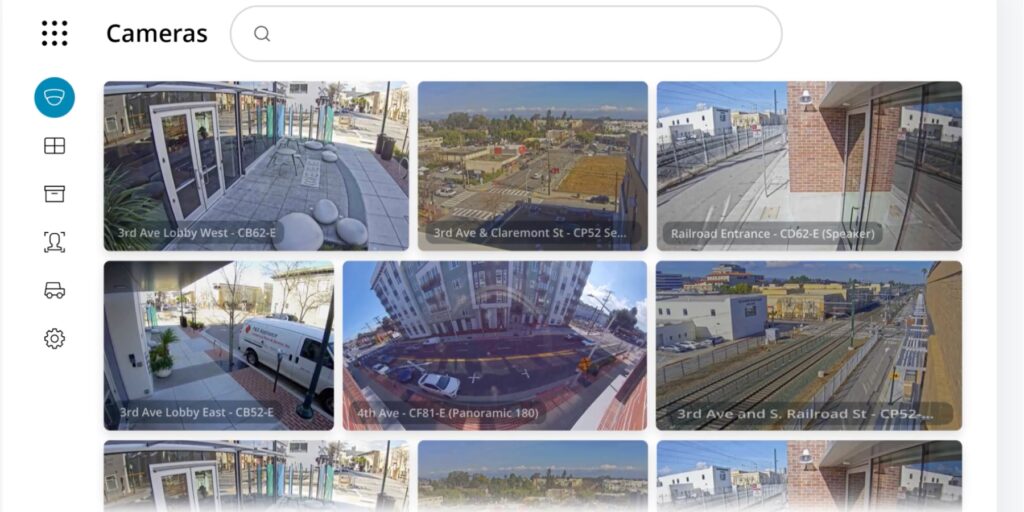
BestLine helps you map those needs and design a plan around them, using cameras and access control that share one platform so your video, doors, and alerts hold the same view. Because these are cloud-based physical security tools, they rely on a healthy network, which is why steady network management and support keeps them running well after install. Cameras, readers, and sensors also depend on properly planned cabling and infrastructure, so the groundwork is part of the design. The aim is to build physical security solutions that fit how your buildings and teams work, not to add more disconnected boxes.

Where a Smarter Security Strategy Begins
The strength of your security is not measured by how many cameras, sensors, or door readers you own. It is measured by how well those tools help your people see what is happening and act on it. Cameras are where a good plan starts. Integration is what turns them, and everything around them, into a smarter security ecosystem that supports your broader technology environment.
If you are ready to move past single devices toward a coordinated plan, book a security assessment with BestLine and start building protection designed around your real risks.